Minimal jewellery has evolved from a quiet design preference into one of the most influential style movements of 2026. What once represented “simple accessories” has now become a powerful expression of modern identity, lifestyle, and taste. Across global fashion runways, influencer wardrobes, and everyday street style, minimal jewellery is defining a new era of elegance—one that values intention over excess and meaning over ornamentation.
In 2026, minimal jewellery is no longer just about wearing less. It is about choosing better. It is about pieces that feel effortless yet thoughtful, delicate yet impactful, and subtle yet emotionally resonant. This shift reflects how people today are redefining luxury—not as loud display, but as quiet confidence.
Let’s explore the most important minimal jewellery trends dominating 2026 and understand why this aesthetic continues to shape modern fashion so deeply.
1. The Philosophy of Intentional Minimalism
At the heart of 2026 jewellery trends is intentional minimalism. Consumers are becoming increasingly mindful about what they wear and why they wear it. Instead of collecting large quantities of jewellery for different occasions, people are investing in fewer, high-quality pieces that can be styled in multiple ways.
This shift is influenced by broader lifestyle changes. Fast fashion fatigue, sustainability awareness, and a growing desire for simplicity have all contributed to this mindset. Jewellery is now chosen not just for appearance, but for meaning, durability, and emotional connection.
A thin gold chain worn daily, a pair of small diamond studs that never go out of style, or a simple ring that carries personal significance—these pieces define the modern jewellery wardrobe of 2026.
2. Ultra-Delicate Layering: The New Art of Styling
Layering remains a key trend, but its execution has become much more refined. In 2026, layering is not about stacking multiple bold pieces. Instead, it is about creating harmony through subtle variation.
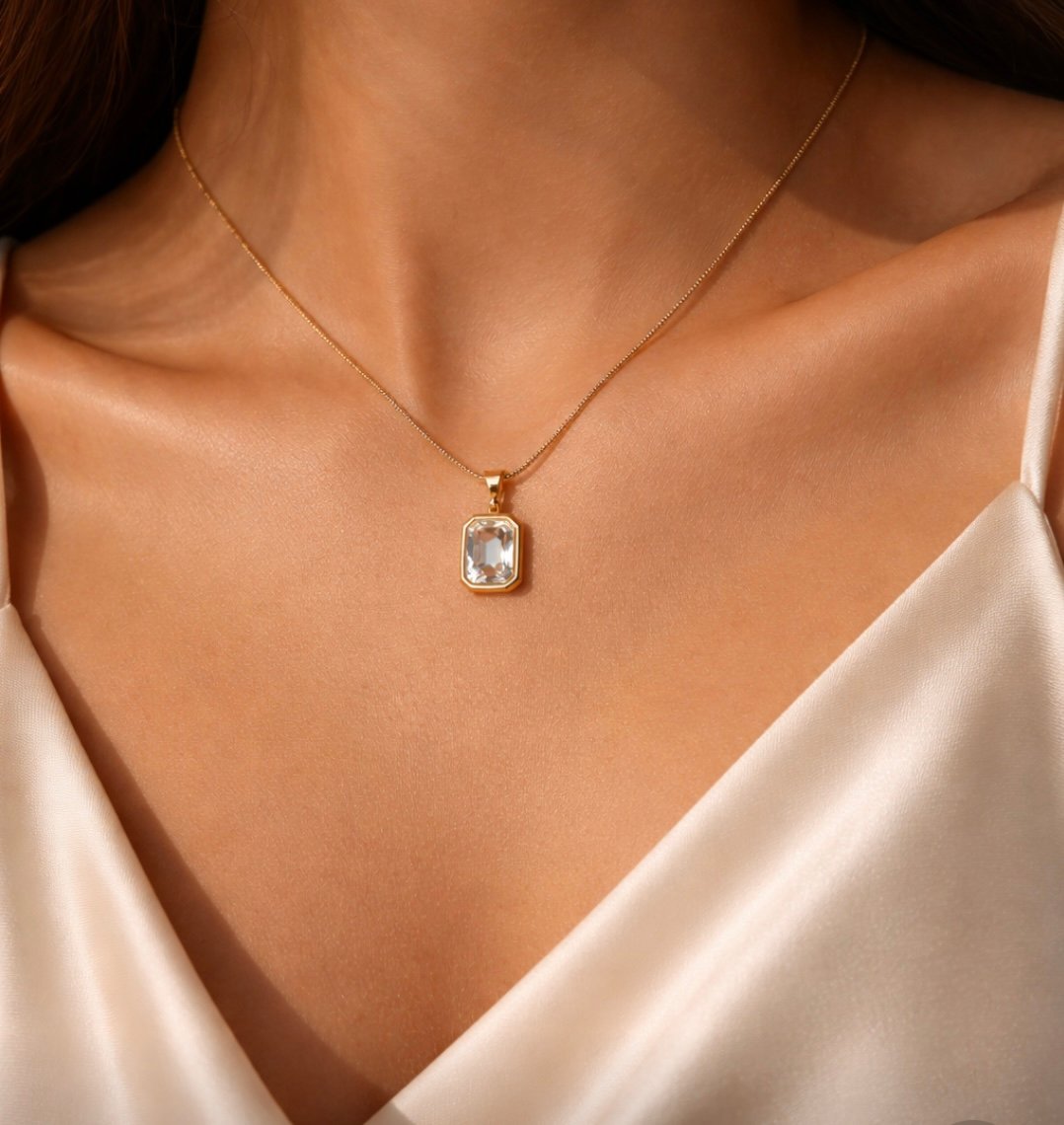
Necklace layering, for example, focuses on ultra-thin chains of different lengths. Some may include tiny pendants, while others remain completely plain. The idea is to create soft visual depth without overwhelming the neckline.
Ring layering has also evolved. Instead of thick stacks, people are choosing ultra-slim bands worn with careful spacing. Each ring is selected to complement the others in tone and texture, creating a balanced and breathable aesthetic.
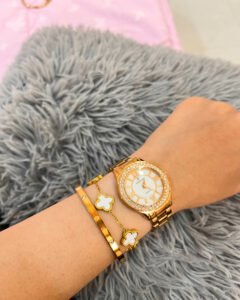
Even bracelets follow this philosophy. Delicate chains or minimal bangles are worn in controlled combinations, often with intentional gaps that allow each piece to stand out individually.
This new approach to layering reflects maturity in styling—less about quantity, more about composition.
3. Skin-Complementing Metals and Soft Finishes
Metal choice plays a major role in minimal jewellery trends of 2026. Designers are focusing more on how metals interact with different skin tones and lighting conditions.
Warm gold remains dominant, but it is now often finished in matte or brushed textures instead of high-shine polish. This softens the appearance and enhances the understated feel of minimal jewellery.
White gold and platinum are widely used for sleek, modern aesthetics, especially in professional and urban styling. Rose gold, while still present, is used more sparingly—often as a subtle accent rather than the main material.
Mixed metals are also gaining popularity, but in very refined ways. Instead of bold contrasts, designers are blending tones seamlessly within a single piece, creating fluid transitions that feel natural rather than experimental.
The result is jewellery that feels harmonious with the wearer rather than visually dominant.
4. Micro Jewellery: Small Pieces, Strong Meaning
One of the most noticeable shifts in 2026 is the rise of micro jewellery. These are extremely small, delicate designs that focus on symbolism and emotional value rather than size or sparkle.
Micro pendants featuring initials, tiny stars, moons, hearts, or abstract symbols are particularly popular. These elements often carry personal meaning—representing relationships, memories, beliefs, or milestones.
Even gemstones are being used in micro form. Instead of large stones, designers are incorporating tiny diamonds or coloured gems that catch light subtly without overpowering the design.
This trend reflects a deeper emotional shift in fashion. Jewellery is no longer just decorative—it is narrative. It tells a quiet story that is often known only to the wearer.
5. Barely-There Earrings and Ear Stacking
Earrings in 2026 are defined by subtlety and lightness. The focus has shifted from bold statement pieces to almost invisible elegance.
Tiny studs, slim hoops, and minimalist threader earrings dominate everyday styling. Diamonds and gemstones, when used, are kept extremely small and refined.
Ear stacking has also become more intentional. Instead of filling every piercing, wearers are choosing asymmetry and negative space. A single stud paired with a small hoop or a discreet ear cuff creates a balanced yet modern look.
This approach gives the ear space to “breathe,” making the overall appearance more elegant and less crowded.
6. Sculptural Minimalism: Where Art Meets Jewellery
Minimal jewellery in 2026 is not limited to simplicity alone—it is also artistic. Sculptural minimalism is a growing trend where pieces are designed with fluid, organic, or geometric forms while still maintaining a clean aesthetic.
Think of rings that twist gently like natural vines, bracelets with soft asymmetrical curves, or pendants shaped like abstract waves. These designs do not rely on heavy embellishment. Instead, they use shape and structure as their primary visual language.
This trend reflects a growing appreciation for jewellery as wearable art. Each piece feels intentional and expressive, yet never excessive.
7. Everyday Luxury and Comfort-Driven Design
Minimal jewellery has become synonymous with everyday luxury in 2026. People want jewellery that fits seamlessly into daily life without discomfort or inconvenience.
This has pushed designers to focus on lightweight construction, smooth edges, and skin-friendly materials. Jewellery is now designed to be worn all day, every day—whether at work, while travelling, or during casual routines.
This practicality has changed how luxury is perceived. Luxury is no longer about occasional wear; it is about constant comfort and effortless elegance.
A simple chain or ring is now just as luxurious as a heavily adorned piece—sometimes even more so, because of how naturally it integrates into life.
8. The Beauty of Negative Space
Negative space has become a defining feature of modern minimal jewellery. Instead of filling every surface with detail, designers are intentionally leaving areas open and empty.
Open rings, hollow shapes, floating pendants, and airy geometric designs are increasingly popular. These elements create visual lightness and allow the jewellery to interact more naturally with the body.
Negative space also enhances versatility. Because these pieces are visually subtle, they can be paired with a wide range of outfits without clashing or overpowering the look.
This design philosophy reflects a broader aesthetic truth of 2026: sometimes what is left out is just as important as what is included.
9. Sustainable Minimalism: Ethics Meets Aesthetics
Sustainability is deeply embedded in minimal jewellery trends. In 2026, it is no longer a marketing term—it is a design principle.
Recycled metals, lab-grown diamonds, and responsibly sourced materials are becoming standard in jewellery production. Consumers are increasingly conscious of where their jewellery comes from and how it is made.
Minimal jewellery naturally aligns with this shift because it encourages long-term use rather than frequent replacement. A few well-crafted pieces are preferred over large seasonal collections.
This approach reduces waste, supports ethical production, and promotes a more mindful relationship with fashion.
10. Personalization in Subtle Forms
Personalization continues to grow, but it is becoming more discreet and refined. Instead of bold nameplates or oversized initials, 2026 trends favor hidden or minimal customization.
Engravings inside rings, micro initials on pendants, or tiny birthstone accents are common examples. These details are often visible only to the wearer or those who look closely.
This makes jewellery feel intimate rather than performative. It becomes something deeply personal, almost like a private symbol rather than a public statement.
11. Gender-Neutral Minimal Jewellery
One of the most progressive shifts in 2026 is the rise of gender-neutral jewellery. Minimal design naturally supports this evolution because it avoids overly gendered styling cues.
Simple chains, clean rings, and geometric forms are being designed for universal wear. The focus is on expression rather than categorization.
This inclusivity has expanded the appeal of minimal jewellery and made it a shared aesthetic language across different identities and styles.
12. Technology and Precision Craftsmanship
Behind the simplicity of minimal jewellery lies advanced craftsmanship. Modern techniques like 3D modeling, laser cutting, and precision casting allow designers to create extremely fine and detailed minimal pieces.
These technologies make it possible to achieve perfect symmetry, ultra-thin structures, and complex yet delicate forms that were previously impossible to produce.
Even smart jewellery is evolving in a minimal direction. Instead of bulky devices, technology is being embedded discreetly into elegant designs that maintain aesthetic purity.
13. Emotional Minimalism: Why Less Feels More
Perhaps the most important reason minimal jewellery dominates 2026 is emotional. In a world filled with constant stimulation, minimalism offers calmness.
Wearing simple jewellery can feel grounding. It reduces visual noise and allows personal expression to feel more focused and intentional.
A single ring or a delicate chain often carries more emotional weight than an elaborate set because it becomes part of everyday identity rather than occasional display.
This emotional connection is what truly gives minimal jewellery its power.
Conclusion: The Future Belongs to Subtlety
Minimal jewellery in 2026 represents far more than a fashion trend. It represents a cultural shift toward clarity, intention, and emotional depth.
From micro pendants and sculptural forms to sustainable materials and gender-neutral designs, every trend points in the same direction: simplicity with meaning.
In a world that often feels fast, loud, and overwhelming, minimal jewellery offers something rare—quiet elegance that speaks softly but stays memorable.
And that is why minimal jewellery is not just dominating 2026. It is defining the future of modern luxury itself.